CLASS; J S S 2 WEEK 6
TOPIC; CROCHETING.
Crochet
Crochet is a process of creating fabric by interlocking loops of yarn, thread, or strands of other materials using a crochet hook. The name is derived from the French term “crochet”, meaning small hook. These are made of materials such as metal, wood, or plastic and are manufactured commercially and produced in artisan workshops. The salient difference between crochet and knitting, beyond the implements used for their production, is that each stitch in crochet is completed before proceeding with the next one, while knitting keeps a large number of stitches open at a time. (Variant forms such as Tunisian crochet and broomstick lace keep multiple crochet stitches open at a time.)
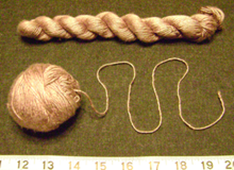
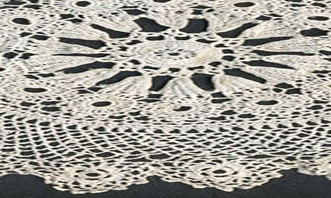
Crochets is a method by which a fabric if formed with a single thread and hook. The word ‘crochet’ is derived from the French word meaning ‘hook’. Crochet was traditionally used to make lacy pattern for doilies and edgings. Nowadays, with modern designs, it is used to to make verities of articles both for personal and household use. Examples of these are; baby’s clothes and blankets, ladies and blouses and gowns, shawls, bags, belts, caps, lampshade, tables, or plate mats, bedspreads and rugs.
Sins a ball of thread and a hook are all needed for crocheting, one can carry these items around in a bag and crochet practically everywhere.
Materials
Basic materials required for crochet are a hook and some type of material that will be crocheted, most commonly yarn or thread. Additional tools are convenient for keeping stitches counted, measuring crocheted fabric, or making related accessories. Examples include cardboard cutouts, which can be used to make tassels, fringe, and many other items; a pom-pom circle, used to make pom-poms; a tape measure and a gauge measure, both used for measuring crocheted work and counting stitches; a row counter; and occasionally plastic rings, which are used for special projects. In recent years, yarn selections have moved beyond synthetic and plant and animal-based fibers to include bamboo, qiviut, hemp, and banana stalks, to name a few.
Crochet hook
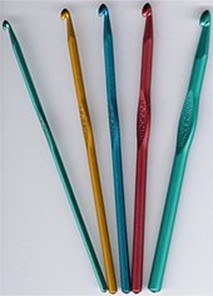
Aluminum crochet hooks
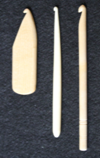
The crochet hook comes in many sizes and materials, such as bone, bamboo, aluminum, plastic, and steel. Because sizing is categorized by the diameter of the hook’s shaft, a crafter aims to create stitches of a certain size in order to reach a particular gauge specified in a given pattern. If gauge is not reached with one hook, another is used until the stitches made are the needed size. Crafters may have a preference for one type of hook material over another due to aesthetic appeal, yarn glide, or hand disorders such as arthritis, where bamboo or wood hooks are favored over metal for the perceived warmth and flexibility during use. Hook grips and ergonomic hook handles are also available to assist crafters.
Steel crochet hooks range in size from 0.4 to 3.5 millimeters, or from 00 to 16 in American sizing. These hooks are used for fine crochet work such as doilies and lace.
Aluminum, bamboo, and plastic crochet hooks are available from 2.5 to 19 millimeters in size, or from B to S in American sizing.
Artisan-made hooks are often made of hand-turned woods, sometimes decorated with semi-precious stones or beads.
Crochet hooks used for Tunisian crochet are elongated and have a stopper at the end of the handle, while double-ended crochet hooks have a hook on both ends of the handle. There is also a double hooked apparatus called a Cro-hook that has become popular.
A hairpin loom is often used to create lacy and long stitches, known as hairpin lace. While this is not in itself a hook, it is a device used in conjunction with a crochet hook to produce stitches.
CROCHET EQUIPMENTS.
- Ball of wool * A small bag to keep equipment’s clean. * A tape measure.
- A small pair of soccer’s. * A needle with a blunt point. * Different sizes of crochet hook.